Choosing a solar mounting system manufacturer is an important decision for solar installers, EPC contractors, distributors, and project developers. The mounting structure must suit the installation site, support the solar modules, and meet local structural requirements. At the same time, buyers need a supplier that can deliver consistent product quality, provide technical support, and keep projects on schedule.
With many solar mounting suppliers offering similar-looking products, comparing prices alone is rarely enough. A better approach is to evaluate manufacturing capabilities, engineering support, quality management, certifications, customization options, delivery performance, and completed projects before placing an order.
So, how can you identify the right solar mounting system manufacturer for your project? The following points provide a practical checklist for evaluating potential suppliers.
A reliable solar mounting supplier should have the production resources and technical experience needed to support your order. This is particularly important when purchasing mounting structures in bulk or supplying multiple projects with different specifications.
Start by asking whether the company manages its own manufacturing processes, what materials it works with, and how it controls production capacity. For aluminum and steel mounting structures, relevant capabilities may include material processing, cutting, drilling, extrusion-related machining, surface treatment coordination, assembly, and final inspection.
It is also worth checking whether the supplier can manufacture complete mounting solutions rather than only individual components. A coordinated supply of rails, clamps, roof attachments, connectors, and structural parts can simplify procurement and reduce compatibility issues.
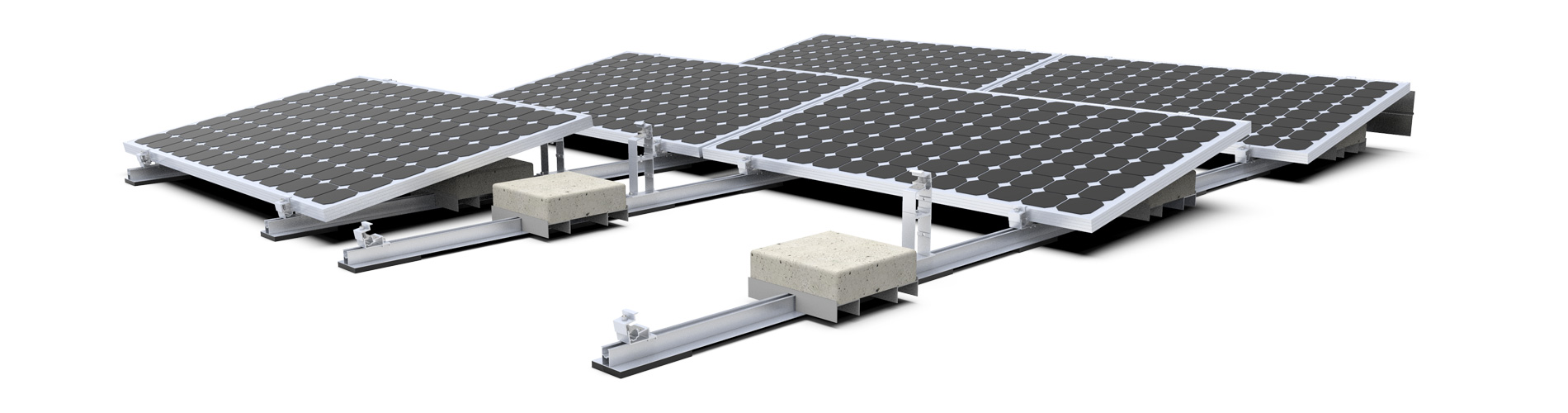
Enerack provides solar mounting solutions for rooftop, ground-mounted, and carport applications. Its product range includes different roof attachment systems, ballasted mounting structures, ground mounting systems, and mounting accessories.
Explore the full range of solar mounting systems to compare available solutions for different installation environments.
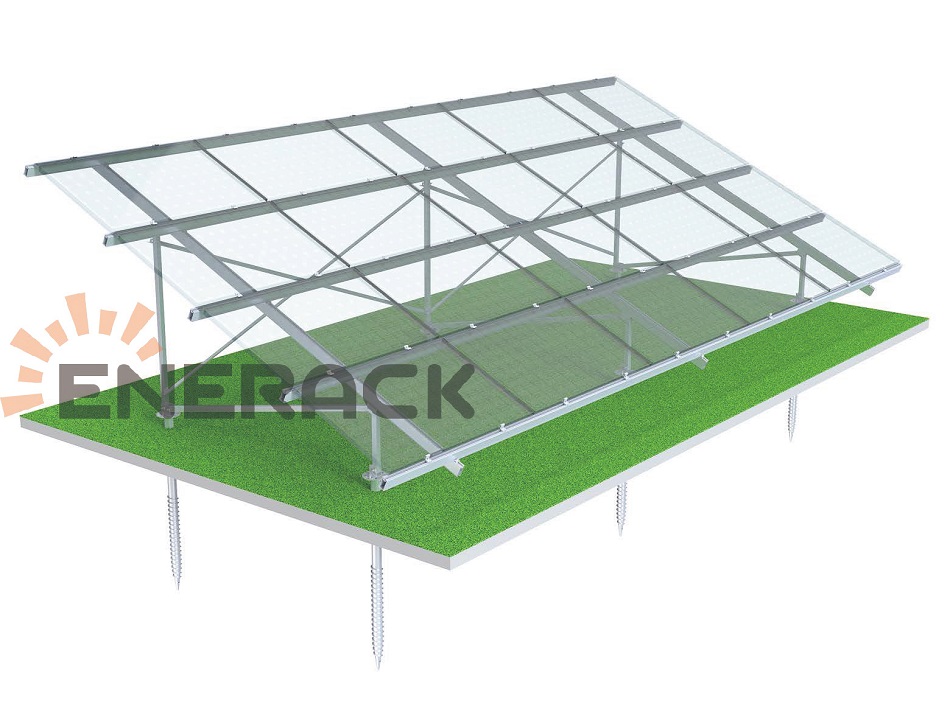
All-aluminum standard ground solar mounting system
Before ordering, ask for relevant product specifications, material details, production photos, and information about the supplier's quality inspection process. These details help you assess whether the manufacturer can meet your project's requirements.
Solar mounting systems are not one-size-fits-all products. Roof construction, ground conditions, module dimensions, wind exposure, snow loads, and local building requirements can all affect the final design.
A capable solar mounting system manufacturer should be able to review project information and recommend a suitable configuration. Depending on the project, this may include selecting roof attachments, determining rail arrangements, evaluating foundation options, and preparing installation drawings or structural documentation.
Before requesting a quotation, prepare the following information where available:
Project location and applicable design standards
Roof type or ground and soil conditions
Solar module dimensions, thickness, and layout
Required system capacity and installation orientation
Wind speed, snow load, and other relevant site conditions
Preferred foundation type and installation method
Providing accurate project information helps the engineering team evaluate the application instead of quoting a generic configuration that may not fit the site.
For example, a flat-roof project may require a ballasted system, while an open-field installation may use ground screws, driven piles, or concrete foundations depending on the site assessment. A standing-seam metal roof may need compatible clamps rather than conventional roof penetrations.
Ask whether the supplier can explain the reasoning behind its proposed design and identify any assumptions that still need confirmation. Engineering support is most useful when it addresses actual installation conditions, not just product dimensions.
The quality of a solar mounting structure affects installation efficiency, structural reliability, and long-term maintenance. Small inconsistencies in rail dimensions, clamp fit, hole positioning, or surface finish can create unnecessary work on site.
When evaluating a solar mounting supplier, look beyond general statements such as “high quality” or “strict inspection.” Ask how quality is managed at different production stages and what inspection records are available for the products you intend to purchase.
Useful checks may include:
Verification of incoming materials and material specifications
Dimensional inspection of rails, brackets, and connectors
Checks on surface treatment and corrosion protection
Inspection of fasteners and assembly interfaces
Applicable mechanical or structural test reports
Final inspection and packaging checks before shipment
For projects in coastal or industrial environments, corrosion resistance deserves particular attention. Material selection and surface treatment should be appropriate for the exposure conditions and expected service life.
Enerack states that it operates under an ISO 9001 quality management system and provides manufacturing and testing capabilities for its solar mounting products. Buyers should request the relevant documentation for the specific product series and project application.
Certifications can help buyers assess whether a solar mounting system has been evaluated against relevant quality, safety, or structural requirements. However, not every certificate applies to every product or market.
For example, buyers may encounter TÜV-related documentation, UL 467 or UL 2703, EN 1090, and AS/NZS 1170.2 when reviewing mounting products and project requirements. These references serve different purposes, so the important question is whether the specific product, configuration, and intended application fall within the relevant certification or assessment scope.
Before placing an order, ask the supplier to provide:
Valid certificates relevant to the product and destination market
Applicable structural or mechanical test reports
Material specifications and surface treatment details
Installation instructions and technical drawings
Any additional documentation required by the project engineer or local authority
Do not assume that a manufacturer's general certificate automatically covers every mounting system it sells. Confirm the document's validity, scope, and applicability to the proposed configuration.
Importers should also check packaging and shipping documentation requirements before production, particularly when supplying regulated markets or large commercial projects.
A competitive quotation has limited value if the mounting components arrive after the installation team is scheduled to begin work. Delivery reliability matters to distributors managing stock as well as EPC contractors working against project milestones.
When comparing solar mounting manufacturers, ask for a realistic production lead time, the time required for customized items, and the estimated shipping schedule. Clarify whether the quotation covers all components needed for the proposed configuration or only the main structural parts.
For large orders, it is useful to confirm the production schedule, packaging method, shipment quantity, and inspection arrangements in advance. Pre-assembled components can also reduce the amount of work required at the installation site, depending on the system design.
Buyers should distinguish between production lead time and total delivery time. International freight, customs clearance, destination handling, and local transport can add time after manufacturing is complete.
A dependable solar mounting supplier will explain these stages clearly and communicate potential changes before they affect the project schedule.
Standard mounting systems work well for many installations, but some projects require adjustments to dimensions, mounting angles, foundation arrangements, or component configurations. Distributors may also need specific packaging, product labeling, or a consistent component range for their local markets.
Before selecting a manufacturer, clarify which elements can be customized and which must remain within standard design limits. Customization should not compromise structural performance, module compatibility, or applicable certification requirements.
Ask the supplier to confirm the following points:
Compatibility with your solar module dimensions and thickness
Suitable clamps, rails, roof hooks, or other attachments
Available tilt angles and mounting orientations
Material and surface finish options
Customized configurations and minimum order quantities
Drawing approval and sample confirmation procedures
For example, Enerack offers roof mounting products for tile and metal roofs, as well as adjustable tilt systems, ballasted structures, and ground-mounted solutions. The appropriate configuration depends on the actual roof or site conditions.
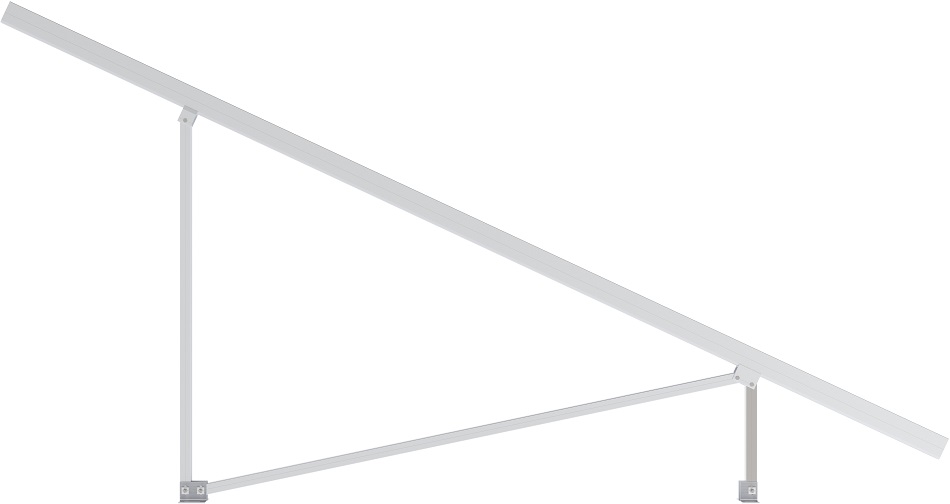
Ask for installation drawings and confirm component compatibility before mass production. This is especially important when a project combines different module sizes, roof attachment types, or structural requirements.
Past projects help buyers understand whether a manufacturer has experience with applications similar to their own. However, the most useful evidence is not simply the number of projects completed. It is the relevance of those projects to your installation conditions and technical requirements.
When reviewing a supplier's project portfolio, look for details such as:
Project location and installed capacity
Roof type or ground mounting method
Mounting system configuration and key components
Site-specific challenges and design considerations
Installation photos and available technical information
For instance, a supplier with experience in standing-seam metal roof installations may be a better fit for a project involving similar roof profiles. A large ground-mounted project may provide more relevant evidence when evaluating suppliers for utility-scale installations.
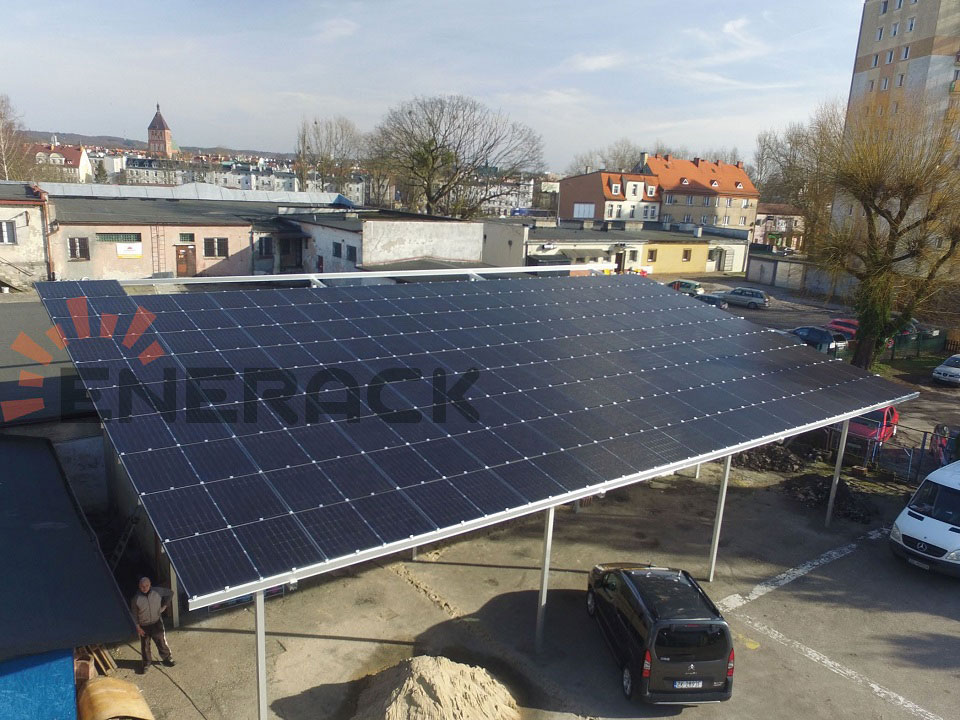
Enerack has documented projects involving rooftop attachments, ground mounting systems, and solar carports in different markets. One example is its 44 kW carport project in Poland, which illustrates how a mounting solution can be configured for a specific application.
Reviewing comparable projects can help you ask better technical questions and determine whether the proposed solution is suitable for your own site.
Good communication is often overlooked during supplier selection, yet it can make a significant difference throughout an international project.
Notice how the supplier responds to technical questions, explains quotation details, handles drawing revisions, and confirms production requirements. Clear communication before an order is placed can reduce misunderstandings about specifications, delivery dates, packaging, and documentation.
It is also worth discussing after-sales support, replacement components, installation guidance, and how technical issues will be handled after delivery.
To learn more about Enerack's manufacturing capabilities, engineering services, and product range, visit the Enerack company profile.
Evaluate manufacturing capability, engineering support, quality control, applicable certifications, customization options, delivery reliability, and relevant project experience. Request technical documents and confirm that the proposed system matches your installation conditions.
Compare quotations based on the complete system configuration, materials, structural requirements, documentation, packaging, lead time, and after-sales support. The lowest unit price may not represent the lowest total project cost.
Many manufacturers offer project-specific configurations, including different dimensions, tilt angles, attachments, and foundation options. Availability depends on the product range and engineering requirements. Confirm the design and specifications before production.
The required documents depend on the product, destination market, and project specifications. Ask for certificates and test reports that apply to the actual mounting system, and verify their scope with the project engineer or relevant authority.
Provide the project location, roof or ground conditions, solar module specifications, system capacity, layout, relevant wind and snow loads, preferred mounting method, and estimated quantity. Technical drawings or site information can help the supplier prepare a more suitable proposal.
Choosing the right solar mounting system manufacturer involves more than comparing product prices. Manufacturing resources, engineering support, quality management, applicable compliance documents, customization options, delivery planning, and relevant project experience all deserve careful review.
Before making a final decision, prepare your project requirements and request a proposal that clearly identifies the recommended system, technical specifications, lead time, and supporting documents. This makes it easier to compare suppliers on a like-for-like basis and identify potential issues before installation begins.
If you are sourcing mounting structures for rooftop, ground-mounted, or solar carport projects, explore Enerack's solar mounting project cases and discuss your requirements with the team to identify a suitable configuration for your market and application.

Email : info@enerack.com
Whatsapp : +8613606949886
806-1, No. 12-3, Huasheng Road, Huli District, Xiamen, China
 IPv6 network supported